Calm color‑flood puzzles set in a garden palette for short sessions
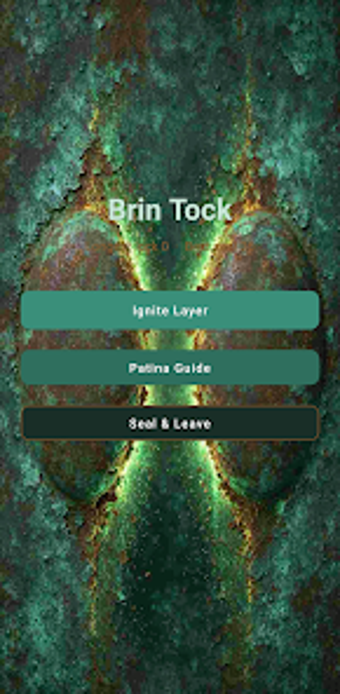
Start from a fixed top-left seed and recolor connected petals to unify each board, using a limited number of moves to solve each stage. Brin Tock, from RTTJ, packages stage-driven progression, local progress saving, and offline play into a portrait Android app. The interface focuses on short sessions with configurable sound and haptic options, aiming at casual puzzle players who prefer low-pressure, private play on modest hardware.
What kind of game is Brin Tock?
Brin Tock adopts the color-flood puzzle loop: each level presents a grid of petals and the player taps a color button to expand territory from the designated seed in the top-left corner. The goal is explicit: flood the entire garden-themed grid to a single hue within the move budget provided for the stage. Progression comes from larger grids and additional colors as stages advance.
Does it offer varied modes or multiplayer elements?
The app delivers a closed single-player experience, with no multiplayer or account systems; you start playing immediately after installation. Local progress tracking records the best cleared stage, and the developer built custom UI elements for in-game prompts rather than relying on system alerts. The design keeps sessions private and self-contained, suited to solo play in short bursts.
What does the game look and sound like?
The aesthetic uses a soft rose-lilac garden palette that frames each petal tile, producing a calming visual field during play. Sound and vibration are optional and configurable in settings, so audio feedback and haptic taps can be enabled or disabled. The layout is lightweight and optimized for portrait orientation, which helps maintain steady performance across a range of Android devices.
In summary, Brin Tock rewards methodical players seeking quiet puzzles
Brin is a measured choice for casual players who enjoy short, strategic puzzles that escalate by grid size and color count. It fits anyone wanting offline, no-account play and light device demands. Players who want competitive modes or social features should look elsewhere, since the experience is intentionally single-player and stage-focused.